

What you can do today to make a difference:
The World Cancer Research Fund reports that 33% of cancers are caused by a poor diet. It is logical therefore to adopt an optimal diet, based on medical research, as part of an integrative strategy for both preventing and fighting cancer and reducing the chances of cancer recurrence.
Anticancer Foods & Supplements
Moreover, since the research literature has, for several decades now, investigated & reported the powerful anti-inflammatory and anticancer actions of certain foods and supplements, it is worth considering the addition of the following as part of any integrative cancer treatment & prevention therapeutic plan.
CLICK THE ITEM TITLES to see an extensive PubMed list of supportive anti-cancer action research studies for each one, and learn more, including details of their pharmacological safety.
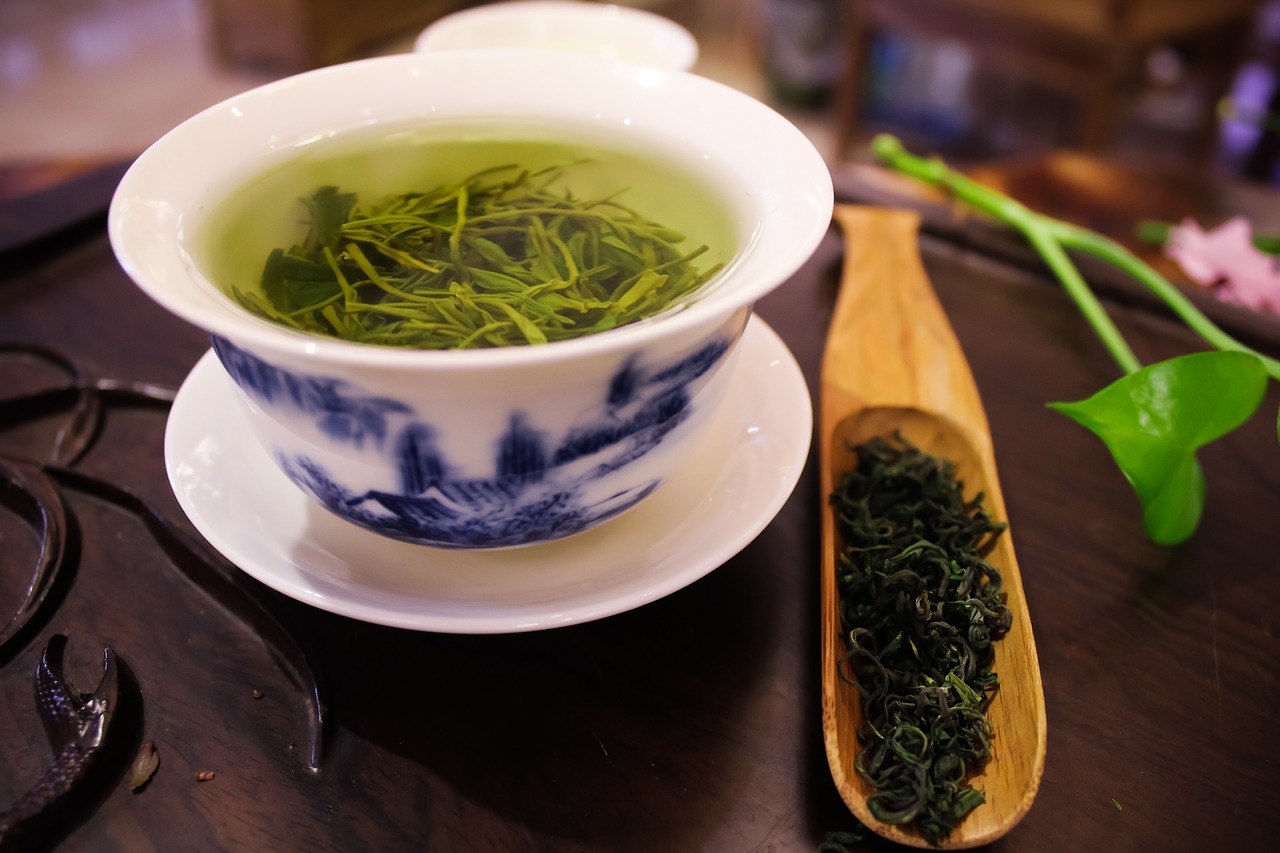
Green Tea
→ Green Tea References
Drink throughout the day, without milk, as milk decreases absorption of active polyphenols such as epigallocatechin gallate/ EGCG. Alternatively, it is possible to supplement the EGCG.
Read the linked research case histories for guidance.
Methylcobalamin
→ Methylcobalamin References
For Active / Advanced Cancer: –Daily High dose Methylcobalamin intramuscular injections. Dr Carmen Wheatley has an experimental research protocol, which may have particular action against haematological cancers, in particular, for Chronic Lymphocytic Leukemia* and low grade Non Hodgkin Lymphoma*, as well as the paediatric cancer, Neuroblastoma, and for Melanoma / Ovarian cancer. If you are facing any of these cancers and wish to try the experimental protocol on compassionate grounds, please contact Dr Carmen Wheatley, who can collaborate with prescribing doctors. Obtainable by prescription. See ‘Recommended Doctors’.
*Paper in Press showing reversal of 2 cases of CLL to normal, and 1 case of stage 4B NHL to Stage 1 NHL, with high dose methylcobalamin injections.
Dr Wheatley also has a forthcoming Review on the field of Cobalamin and Cancer, from 1949 to the present, which analyses and presents the research studies which show strong anticancer action of the active forms of cobalamin, and the underlying anti-cancer mechanisms involved.

Turmeric / Curcumin
→ References
(Indian curry spice) – take a teaspoon in a mug of broth, with a squeeze of lemon up to 3 times a day.
And/or take a high quality and bio-absorbable curcumin supplement, such as Life Extension’s.
Vitamin C
→ References
5 grams, or more, a day, in divided doses, to tolerance level. See also:
• Dr Damien Downing’s Liposomal Vitamin C protocol.
• High-Dose Vitamin C Helps Prevent Recurrence of Stage IV Ovarian Cancer: A Case Report.
Melatonin
→ References
3mg at 8pm and 3mg at 10pm are prescribed doses, or just before bedtime.
But read some of the linked research, as some scientists have shown higher doses are more effective for certain cancers.
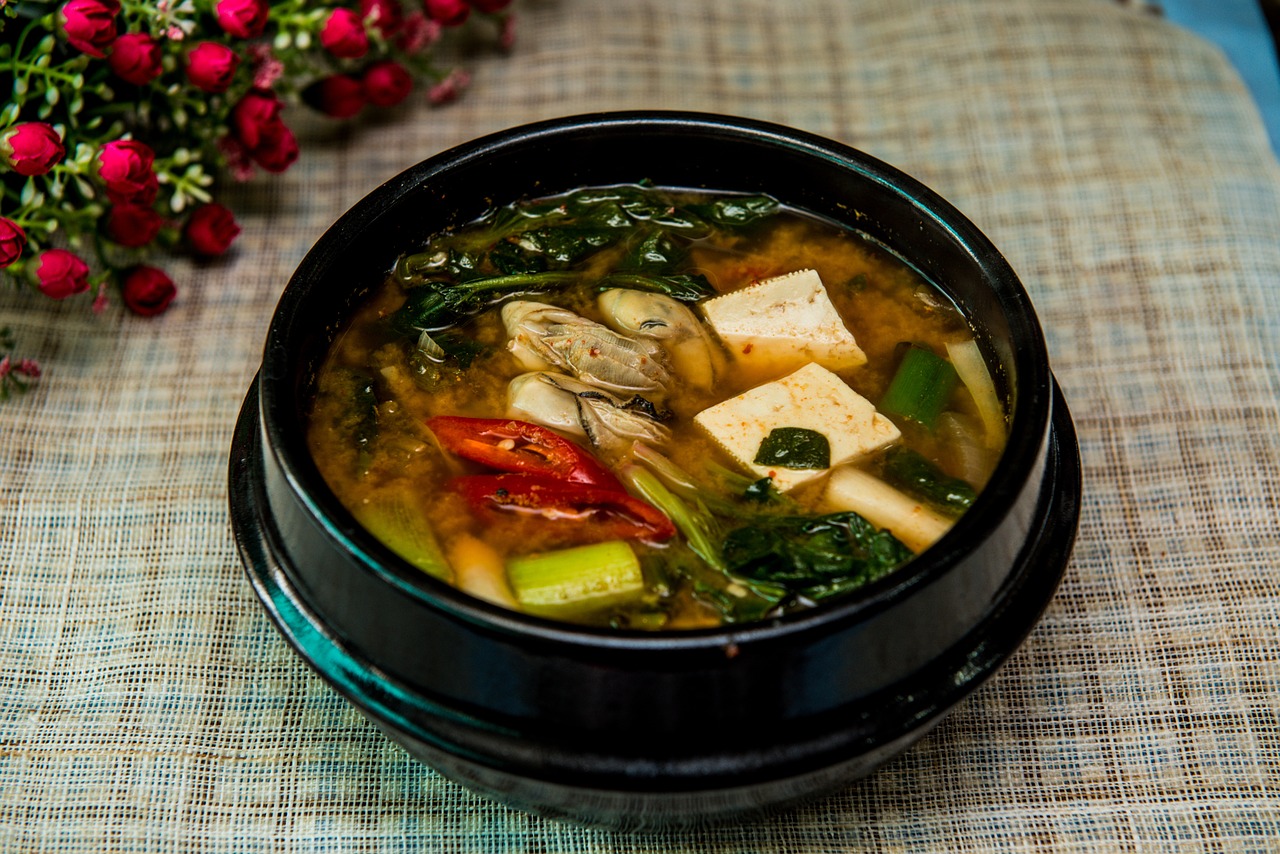
Fermented Soy Foods
Such as Miso, soy sauce, tempeh, or genistein/daidzein supplements, a rich source of anti-angiogenic isoflavones.
Angiogenesis is the process whereby tumours create new vascular networks around them to bring them nutrients and allow for their growth and expansion.
If tumours are prevented from doing this, they remain relatively harmless. Thus it makes sense to incorporate isoflavone supplements and foods into an anti-cancer diet.
The anti-angiogenic action of isoflavones in soy based foods is one of the reasons for the lower incidence of cancer in the Japanese population.
Resveratrol
→ References
Found in red/black grapes, blackcurrants, raspberries, mulberries and redcurrants.
Quercetin / Rutin and other Bioflavonoids – Fisetin, Tryphala, Apigenin
→ References
Bioflavonoid supplements, 50/100mg daily.

Lactobacillus
Live yoghurt or probiotic supplements.
Cruciferous Vegetables
→ References
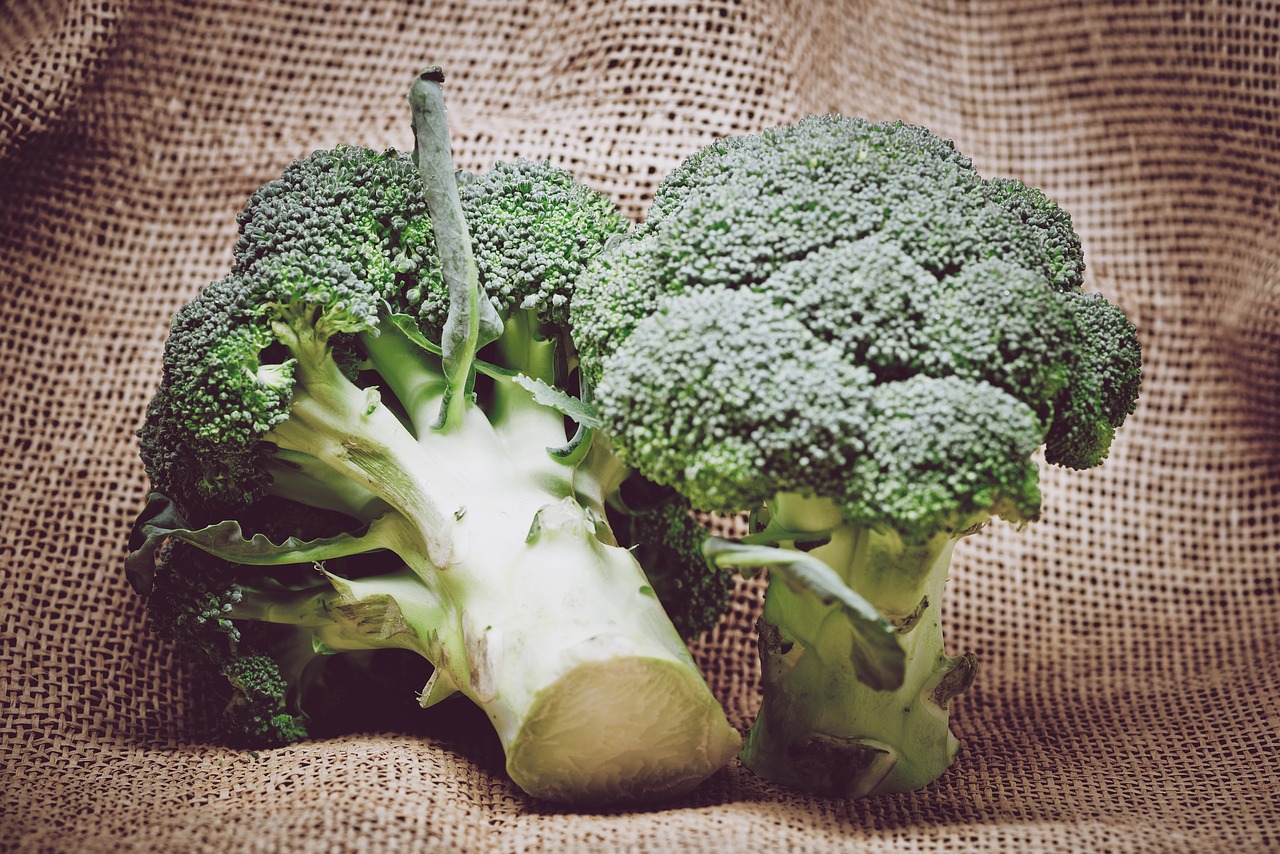
Broccoli, cabbage, brussel sprouts and cauliflower, including sprouted broccoli seeds and sulforaphane supplements.
Garlic
→ References
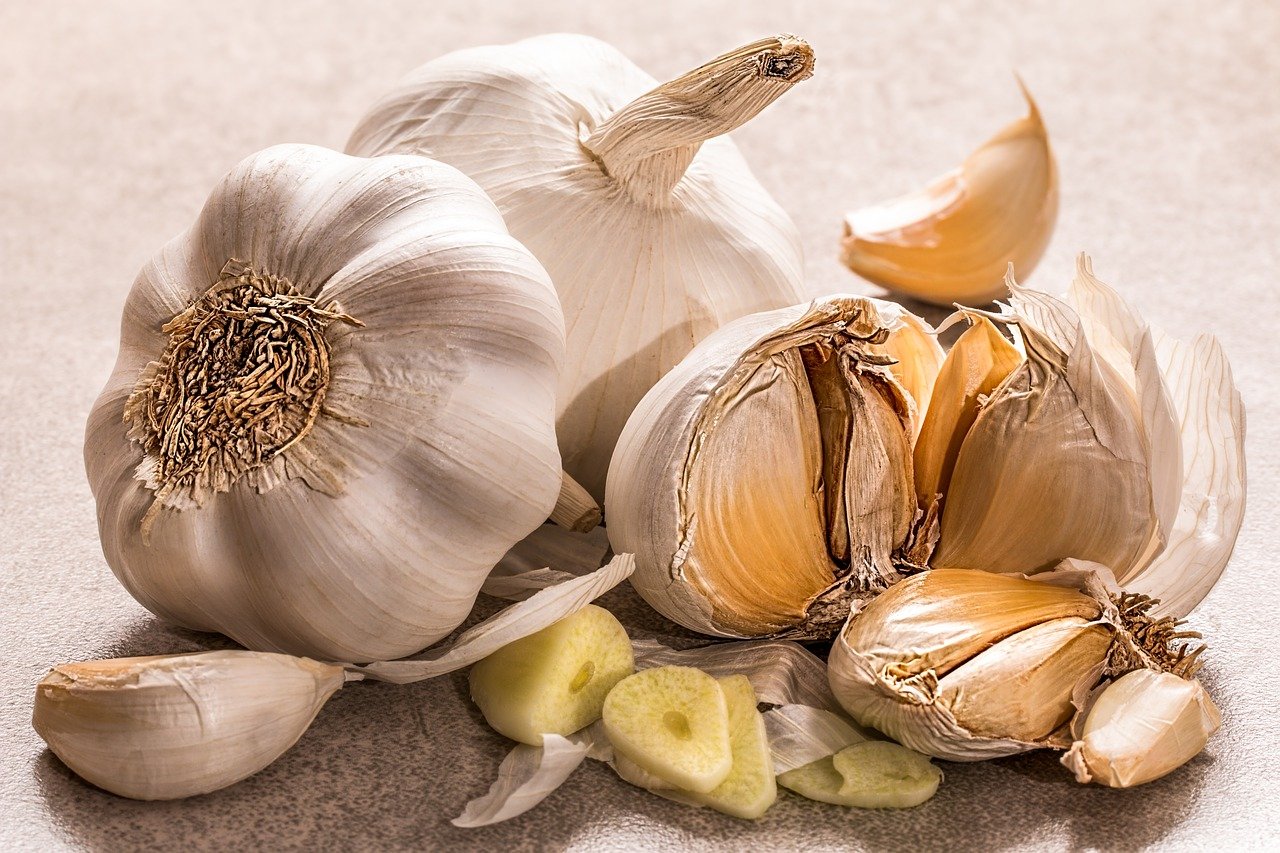
Raw or cooked.
What is an Anti-Cancer Diet?
Some research consensus exists on the kinds of diet that decrease both the incidence of heart disease and cancer, diets which are also associated with longevity. For example, the Japanese diet, in particular, the Okinawa diet, and the Mediterranean diet, in particular, the Cretan diet, both have these hallmark effects, as do the high plant diets described in The China Study by Drs Colin and Thomas Cambell. Such diets may therefore also be of value in helping to prevent cancer, improve treatment outcomes or delay cancer recurrence.
Cancer epidemiology also shows that the Japanese Diet is particularly effective in prevention of hormonal cancers. Professor Jane Plant, in her book, Your Life in Your Hands, makes the case for its use in preventing breast cancer recurrence, based both on her own personal experience and on the research which she shares in her book.
Two factors that are thought to contribute to the anti-cancer actions of a Japanese diet are:
- The lack of dairy products in the Japanese diet, since dairy products contain high levels of naturally (and unnaturally) occurring cancer promotional growth factors, such as Insulin Growth Factors 1 and 2.
- The abundance of Soy isoflavones, such as genistein and daidzein, which research shows exert hormone regulatory effects, as well as antiangiogenic effects, helping to prevent the growth of tumours.
Gerson Therapy & Diet
Historically also, certain doctors have devised special diets, eg. Dr Max Gerson’s therapy and diet, with very specific therapeutic rationales for the integrative treatment of many different medical conditions. In the early 2oth century, Dr Gerson first developed his anticancer therapy to treat and cure his own migraines, his daughter Charlotte’s skin TB, and to cure the famous Dr Albert Schweizer’s wife of TB, and Dr Schweizer himself of his Type II Diabetes.
A published meta-analysis of cancer cases treated at the Gerson Institute shows that Gerson increases survivals in ovarian cancer and melanoma* in particular. See reference below:
See the Book Section for further information on all the above.
Nutrition and cancer: a review of the evidence for an anti-cancer diet
[Author: Michael S Donaldson]
ABSTRACT
It has been estimated that 30-40 per cent of all cancers can be prevented by lifestyle and dietary measures alone. Obesity, nutrient sparse foods such as concentrated sugars and refined flour products that contribute to impaired glucose metabolism (which leads to diabetes), low fiber intake, consumption of red meat, and imbalance of omega 3 and omega 6 fats all contribute to excess cancer risk. Intake of flax seed, especially its lignan fraction, and abundant portions of fruits and vegetables will lower cancer risk. Allium and cruciferous vegetables are especially beneficial, with broccoli sprouts being the densest source of sulforophane. Protective elements in a cancer prevention diet include selenium, folic acid, vitamin B-12, vitamin D, chlorophyll, and antioxidants such as the carotenoids (alpha-carotene, beta-carotene, lycopene, lutein, cryptoxanthin). Ascorbic acid has limited benefits orally, but could be very beneficial intravenously. Supplementary use of oral digestive enzymes and probiotics also has merit as anticancer dietary measures. When a diet is compiled according to the guidelines here it is likely that there would be at least a 60-70 per cent decrease in breast, colorectal, and prostate cancers, and even a 40-50 per cent decrease in lung cancer, along with similar reductions in cancers at other sites. Such a diet would be conducive to preventing cancer and would favour recovery from cancer as well.
The Ketogenic Diet
Perhaps one of the more promising recent diets used in the integrative treatment of cancer, and other pathologies, is the Ketogenic Diet.
The ketogenic diet is fast becoming one of the most promising adjuvant treatments for aggressive brain tumours such as gliomas, for which conventional therapy offers little. See some of the research on ketogenic treatment of gliomas in the related reference section below. It is also a potent weapon in the fight against cancer cachexia and weight loss.